EZSMART Corporation, ESA/ECRA #7012690 , North York , Ontario
Mon-Fri 08:00 AM - 05:00 PM
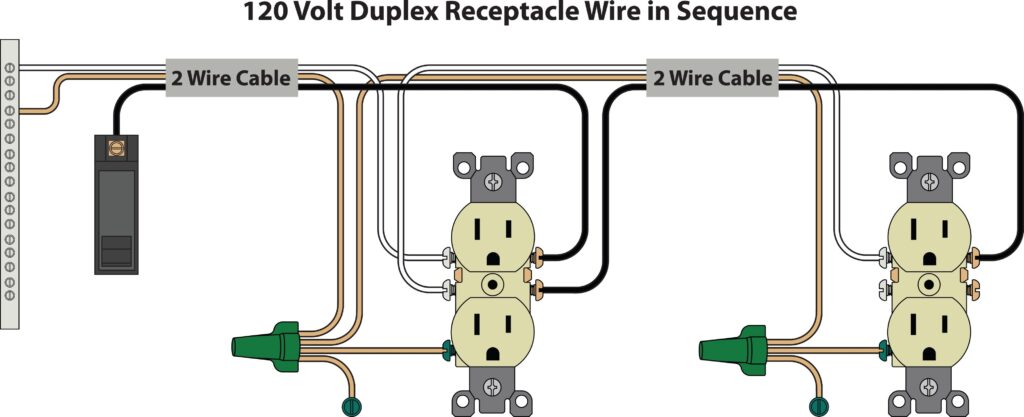
Replacing a 2-prong, ungrounded outlet with a 3-prong, grounded one is a common request, but it is not as simple as just swapping the hardware. A 3-prong outlet requires a dedicated grounding wire (the bare copper or green wire) to be connected to your home’s electrical system to provide a safe path for stray current.
If you simply install a 3-prong outlet into an ungrounded 2-prong box, you create a “false ground.” This is extremely dangerous because it makes your appliances look grounded, but they remain unprotected. In the event of a fault, the metal casing of your appliance could become live, posing a severe risk of lethal shock or fire.
According to the Ontario Electrical Safety Code (OESC), you have three legal and safe ways to achieve a grounded connection or equivalent safety:
Run a New Ground Wire: Hire an electrician to pull a new grounding conductor from the outlet back to your main electrical panel. This is the only way to make a standard 3-prong outlet truly grounded.
Install a GFCI Outlet: If adding a ground wire is physically impossible (e.g., due to finished drywall), the OESC permits installing a GFCI (Ground Fault Circuit Interrupter) receptacle. You must label these outlets as “No Equipment Ground” and “GFCI Protected.” This provides shock protection even without a physical ground wire.
Install an AFCI Breaker: In many cases, upgrading the circuit breaker in your panel to an AFCI (Arc Fault Circuit Interrupter) can provide enhanced safety against electrical arcing, which is often the primary risk in older, ungrounded wiring.
As a designated master electrician, I strongly advise against attempting to “fake” a ground. I frequently inspect older homes where previous owners attempted this, leading to melted insulation and damaged electronics.
To determine the safest path, an electrician will:
Verify the wiring condition: Check if the existing wires are brittle or damaged.
Perform a continuity test: Determine if the metal electrical box itself is grounded (some older conduit systems are naturally grounded).
Assess the load: Ensure the circuit isn’t already overloaded.
Are you planning to upgrade your home’s outdated electrical system? Safety is our priority. If you have any questions about your specific wiring or need a professional inspection to ensure your outlets are safe and code-compliant, please reach out.
Call us at 416-838-9006 or visit our contact page — we are here to help you get your home safely up to modern standards.
Would you like me to explain the differences between how GFCI and AFCI protection actually function to help you decide which is better for your specific home layout?

Electrician Since 2008 Journeyman Electrician Designated Master Electrician at EZSMART Corp
Is It Safe to Do DIY Electrical Work Without Shutting Off the Main? Wo
Can Solar Panels Completely Power a House in Ontario? Solar panels can
We use cookies to improve your experience on our site. By using our site, you consent to cookies.
Manage your cookie preferences below:
Essential cookies enable basic functions and are necessary for the proper function of the website.
These cookies are needed for adding comments on this website.
Statistics cookies collect information anonymously. This information helps us understand how visitors use our website.
Google Analytics is a powerful tool that tracks and analyzes website traffic for informed marketing decisions.
Service URL: policies.google.com (opens in a new window)
SourceBuster is used by WooCommerce for order attribution based on user source.
Marketing cookies are used to follow visitors to websites. The intention is to show ads that are relevant and engaging to the individual user.
Google Maps is a web mapping service providing satellite imagery, real-time navigation, and location-based information.
Service URL: policies.google.com (opens in a new window)