
Common Myths About Electrical Permits and Inspections
Professional and Certified
Electric Vehicle Charger installation
Professional Service
Smart Home Solution
Experiencing an Emergency?
Call 911. For All Other Urgent Needs, EZSMART is Here.

The Ontario electrical permit system has more misinformation around it than almost any other part of home ownership. Bad advice on Reddit, contractors cutting corners, and the confusion between city building permits and ESA notifications add up to homeowners taking real risk without realizing it. Here are the myths worth killing.
Wrong. Under the Ontario Electrical Safety Code (OESC), adding a single outlet, running a new circuit, or extending existing wiring all require an ESA notification of work. The size of the job does not decide — the change to the wiring does. Only true like-for-like device swaps on modern grounded wiring skip the notification.
Two different systems. Your city or municipality issues building permits for structural, occupancy, and framing work. The Electrical Safety Authority issues electrical notifications and inspects the wiring. A renovation typically needs both, filed separately. Skipping the ESA side because you have a city permit is a common and expensive mistake.
The single most dangerous assumption in DIY electrical work. A back-stabbed receptacle, undersized wire, or missing bond can operate fine for years and then arc-fault behind drywall. Inspection catches these before they become insurance claims — or fires.
Any contractor who suggests skipping the ESA notification is either not a Licensed Electrical Contractor (LEC), not carrying real liability insurance, or both. The ESA fee is small — minimum $88 for residential in 2026. What you are actually being sold is exposure. If they will lie to ESA about a permit, they will cut corners on your wiring too.
It gets discovered constantly — at closing. Real estate lawyers ask for Certificates of Acceptance. Home inspectors flag panels that do not match ESA records. Insurers investigate after fire and water damage claims. “Nobody will find out” holds up until you try to sell, refinance, or file a claim.
Partly wrong. In Ontario you can file a homeowner notification and do work in your own primary residence, as long as you meet OESC compliance and the ESA inspector on site. You cannot pull a homeowner permit for a rental, income property, or your parent’s house. And you still get inspected.
Not in Ontario law. A 309A certified electrician, trained and tested through Skilled Trades Ontario, can perform work as an employee of an LEC. Only a Licensed Electrical Contractor with an ECRA/ESA business licence can be hired to do the work and file the notification. Paying an individual electrician on the side means no permit and no inspection.
Residential inspections are typically scheduled within a few business days and take under an hour on site. The delay is small — the protection is not. And on jobs like a panel upgrade or service upgrade, the utility often will not energize the new service without ESA sign-off anyway.
Notifications must be filed before, or within 48 hours of, the work starting. Larger jobs also require a rough-in inspection before the walls close. Trying to backfill a permit after the fact often means opening walls back up for the inspector.
Most of these myths survive because unpermitted work usually looks fine for years — the wiring works, the lights turn on, nothing catches fire immediately. That false sense of security is exactly what makes the eventual discovery, at a home inspection, an insurance claim, or a real estate closing, feel so unfair to the homeowner who was never told the risk in the first place.
Ontario’s permit and inspection system is not paperwork for its own sake. It is what makes electrical work insurable, resellable, and legally recognized. Hire an ECRA/ESA Licensed Electrical Contractor, confirm the notification is filed, and keep the Certificate of Acceptance with your records.
Yes, if the job adds or changes wiring — even a single new outlet or extended circuit. True like-for-like device swaps on modern grounded wiring are the main exception. The size of the job does not decide; the change to the wiring does.
No. Cities issue building permits for structural and occupancy work. ESA issues electrical notifications and handles inspections. Renovations typically need both, filed separately.
Yes, routinely — at real estate closings, insurance investigations after damage, and home inspections. Buyers and lawyers ask for Certificates of Acceptance as proof that work was permitted and passed.
Walk away. A Licensed Electrical Contractor (LEC) cannot legally do that. Anyone offering it is either unlicensed or willing to cut corners on the wiring too. The permit fee is small compared to the risk.
Yes, only for work in your own primary residence, and you must meet the ESA inspector and OESC requirements yourself. Rental units, income properties, and hired work must go through an LEC.
We’ll pull the real permit, do the real inspection, and give you a clear, upfront quote, no obligation.
Prefer to talk it through first?

Electrical repairs should always be handled by a professional electrician.

Electrical panel maintenance, therefore, should be part of your regular routine.
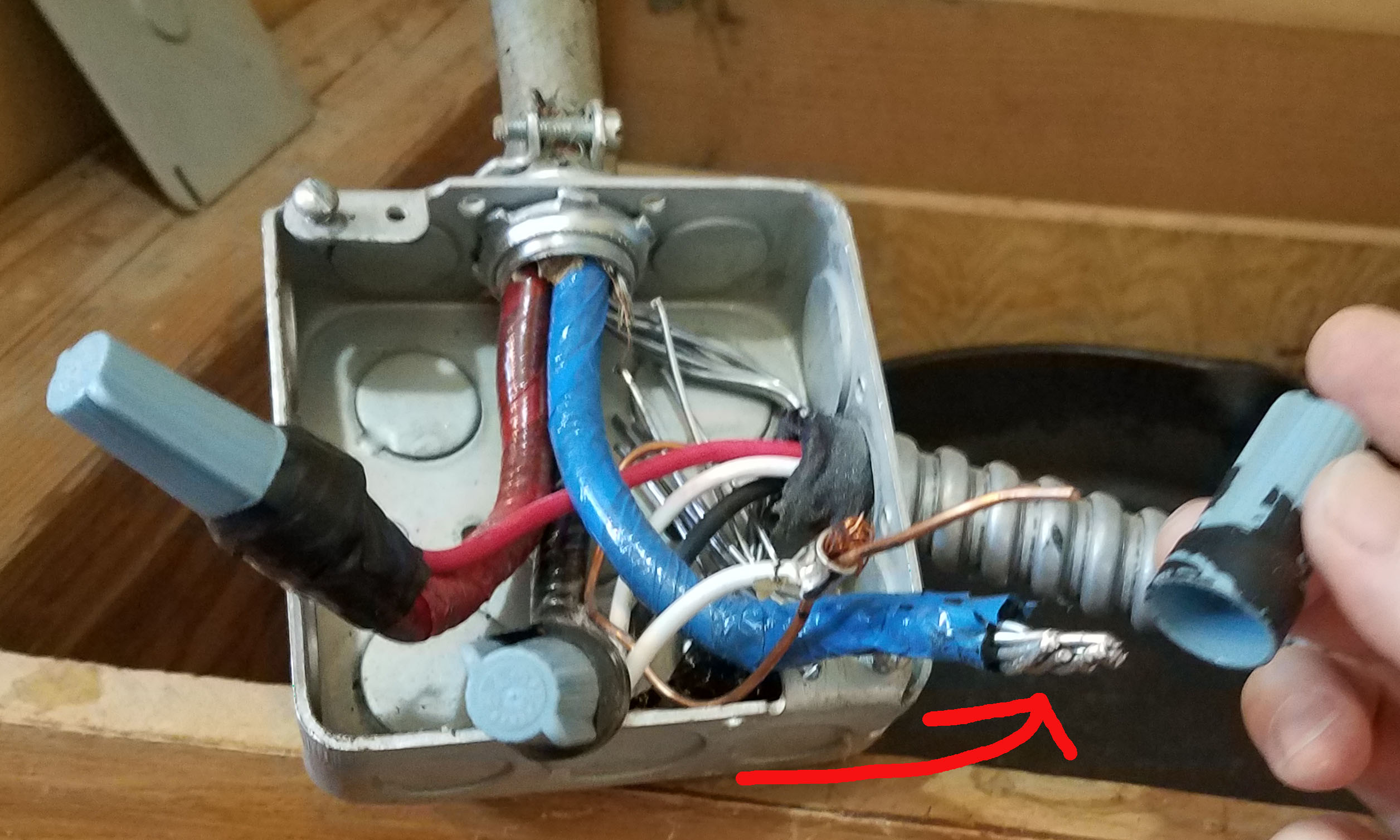
Upgrading wire from Aluminum to Copper guarantee the safety of you and your family

An electrical surge can happen for a number of reasons, including lightning strikes.

Generators are a great way to protect your home or business from brownouts and power outages.

If you need an Emergency service in case of fire , overload or any incident get in touch to serve you

Outdoor Lighting can transform your outdoor living space completely.
Yes, if the job adds or changes wiring — even a single new outlet or extended circuit. True like-for-like device swaps on modern grounded wiring are the main exception. The size of the job does not decide; the change to the wiring does.
No. Cities issue building permits for structural and occupancy work. ESA issues electrical notifications and handles inspections. Renovations typically need both, filed separately.
Yes, routinely — at real estate closings, insurance investigations after damage, and home inspections. Buyers and lawyers ask for Certificates of Acceptance as proof that work was permitted and passed.
Walk away. A Licensed Electrical Contractor (LEC) cannot legally do that. Anyone offering it is either unlicensed or willing to cut corners on the wiring too. The permit fee is small compared to the risk.
Yes, only for work in your own primary residence, and you must meet the ESA inspector and OESC requirements yourself. Rental units, income properties, and hired work must go through an LEC.
EXCELLENT Based on 32 reviews
 Posted on Google
 Petru Petru
Trustindex verifies that the original source of the review is Google.
I upgraded electrical pannel to 200 Amp. And Amir did a good job and fast. I recomend.Posted on Google Ronald D"I cannot recommend Amir enough. We hired him to upgrade our electrical panel to 200-amps. From the moment he arrived, he was professional, punctual, and highly communicative. Amir took the time to explain the process, answered all my questions. If you need an electrician who is honest, skilled, and respects your home, look no further. We will definitely be using Amir for all of our future electrical needs.Posted on Google
 mycalI Highly recommend Amir . Him and His work is exceptional and his quote was far better than the other companies that quoted for upgrading my 100 amp panel to 200 amps. 5 stars is not enough.Posted on Google
 Bee Honest
Trustindex verifies that the original source of the review is Google.
Not recommend!!! Overall the work felt very Jimmy Rigged and rushed like Mickey Mouse job rather them professional electrical work. The lack of preparation, lack of proper tools and poor communication made the whole experience frustrating Never again!! Homeowners be cautious!!Posted on Google tommy dubeauShawn and Amier provided an excellent service, both where extremely helpful in assisting with extra services that was required for my repairs and upgrade, any one living in the Vaughan area should consider using them for any electrical work to there home or property.Posted on Google
 Muhammad AhsanAwesome jobe done by AmirPosted on Google
 Mehran JabbariOutstanding Electrician – Highly Recommend Amir at EZSMART CORPORATION After interviewing eleven electricians, I chose Amir from EZSMART CORPORATION to upgrade my home to 200A service and install an EV charger—and I couldn’t be happier with that decision. From our first conversation, Amir made me feel confident and at ease. He was honest, transparent, and never tried to upsell unnecessary work. Instead, he offered practical advice and even recommended the best EV charger for my vehicle. Once the job began, a few unexpected issues came up—none of which were his fault or included in the original estimate. Still, Amir resolved them without charging extra. That level of integrity is rare. Amir’s professionalism, fairness, and attention to detail truly set him apart. If you need electrical work done, I highly recommend Amir and EZSMART CORPORATION.Posted on Google
 Kwok Keung lewes KamNice and professional, strongly recommendedPosted on Google
 Toktam Jalalian"Fantastic work! EZSMART CO was professional, efficient, and very knowledgeable. They handled everything with care and made sure everything was up to code. Highly recommended!"Posted on Google
 Avesh RainaProfessional and a clean job. Recommend highly. Amir installed an EV outlet for me.
Liability and WSIB coverage on every job, for your peace of mind.
Urgent issues often handled the same day you call.
Two decades of trusted electrical service in the GTA.
Every electrician on our team is licensed and ESA-registered. We keep our standards high, our work inspected, and our pricing competitive.

ECRA/ESA-licensed contractor files every notification, meets the inspector, and delivers the Certificate of Acceptance. Call for a free estimate across the GTA.
We use cookies to improve your experience on our site. By using our site, you consent to cookies.
Manage your cookie preferences below:
Essential cookies enable basic functions and are necessary for the proper function of the website.
These cookies are needed for adding comments on this website.
Statistics cookies collect information anonymously. This information helps us understand how visitors use our website.
Google Analytics is a powerful tool that tracks and analyzes website traffic for informed marketing decisions.
Service URL: policies.google.com (opens in a new window)
SourceBuster is used by WooCommerce for order attribution based on user source.
Marketing cookies are used to follow visitors to websites. The intention is to show ads that are relevant and engaging to the individual user.
Google Maps is a web mapping service providing satellite imagery, real-time navigation, and location-based information.
Service URL: policies.google.com (opens in a new window)